

Orange County sunshine has a way of showing up on the skin over the years as brown spots, blotchy tone or redness across the cheeks and nose. If you’re looking for a sun spots treatment in Orange County without needles or resurfacing, an IPL photofacial may be worth a closer look.
At Beyond Restore Wellness & Aesthetics, we offer IPL photofacial in Newport Beach for sun-related spots, redness and uneven tone. This guide covers how IPL works, who it suits, what a visit looks like, aftercare, and how it compares with CO2 laser.
What Is an IPL Photofacial?
IPL stands for intense pulsed light. It’s also called a photofacial or photorejuvenation. According to DermNet, IPL works on the same basic principle as a laser: light energy is absorbed by colored targets in the skin and turned into heat. The difference is that a laser uses a single wavelength, while an IPL device delivers many wavelengths in each pulse.
In practice, that light is absorbed by pigment (melanin) in brown spots and by blood (hemoglobin) in small visible vessels. Over the following days and weeks, treated spots may darken and flake away, and redness may look softer. We use InMode and Sciton IPL devices, and our RNs, NPs and physicians perform the treatment.
What Can IPL Help With?
We use IPL on the face, neck, chest and hands. Depending on your skin, it may help with:
- Sun spots, age spots and freckles
- Redness and flushing, including redness linked to rosacea
- Small visible blood vessels (broken capillaries)
- Blotchy or uneven tone from sun exposure
Mayo Clinic notes that age spots are linked to years of sun exposure.
Melasma can be treated with IPL, but IPL can make melasma worse in some cases. We take a very conservative approach and evaluate melasma carefully at your consultation. IPL is mainly a treatment for color, not for deep wrinkles or loose skin.
Who Is a Good Fit?
IPL may suit you if you have sun spots, freckles or facial redness, can avoid tanning around your sessions, and want a gradual change.
It isn’t right for everyone. IPL isn’t recommended for darker skin tones, because the light is absorbed by melanin and the risk of pigment changes is higher. You may also need to wait or choose another option if you:
- Have a tan, a recent sunburn or recent self-tanner use
- Have an active skin infection, open sores or an acne flare in the area
- Are pregnant or breastfeeding
- Take medication that makes your skin more sensitive to light
The American Academy of Dermatology (AAD) advises telling your doctor about all skin care products, medications and supplements, because some medications can make skin more sensitive to laser and light treatments.
Your Visit, Step by Step
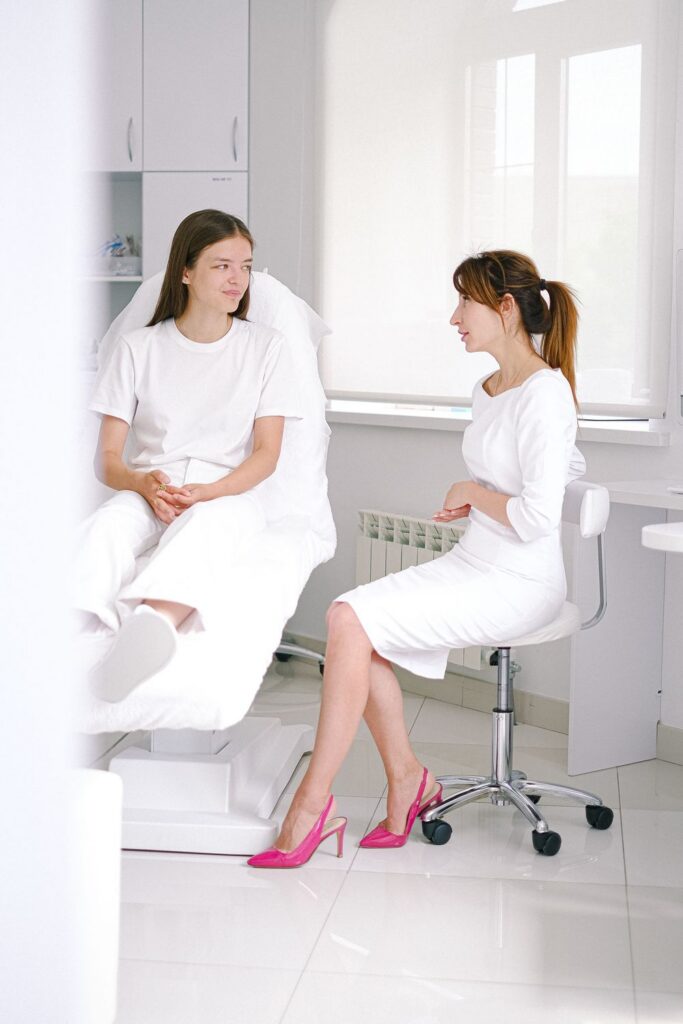
Consultation. Every plan starts with a free consultation. We look at your skin type, the spots or redness you’d like treated, your sun history and medications, and tell you honestly whether IPL fits.
Before. Avoid sun exposure and self-tanners for 2 weeks, and pause retinol or acid products for 3 to 5 days beforehand.
Treatment. The area is cleansed, a cooling gel is applied and you wear protective eyewear. Many people describe each pulse as a quick snap or warm flick. Numbing cream is available if you’d like it. A session usually takes about 20 to 30 minutes.
Plan. Most plans include about 3 to 5 sessions spaced about 3 to 4 weeks apart, with maintenance every 6 to 12 months. IPL packages are available, and we’ll go over options and cost at your consultation.
Aftercare and Sun Protection
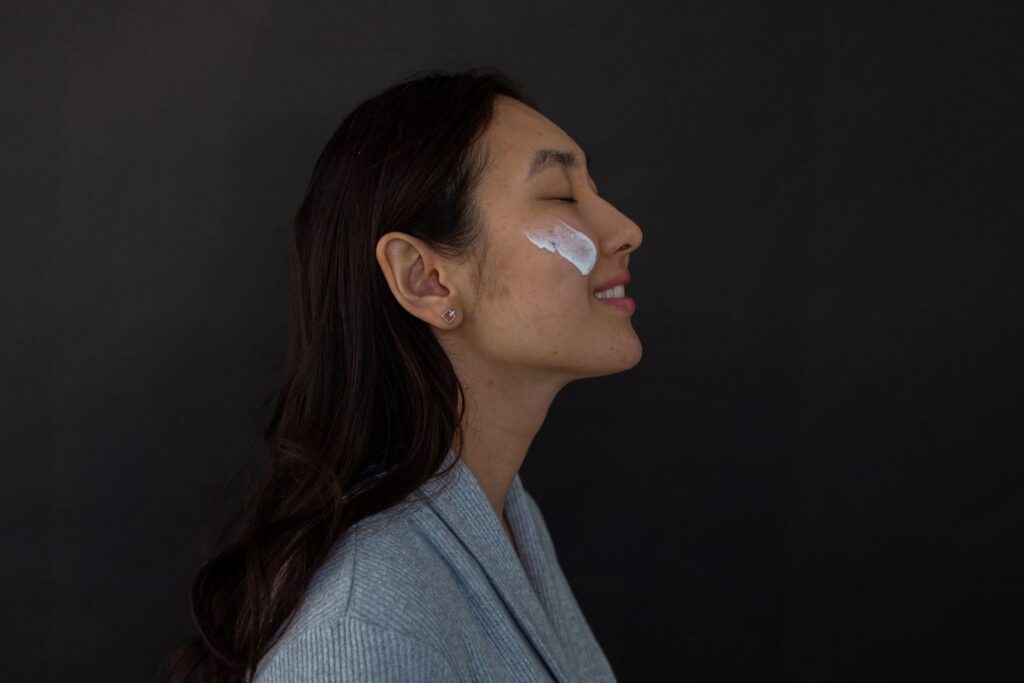
There’s no downtime, so most people go right back to their day, but you’ll need to stay out of the sun. Redness, mild swelling and a sunburn-like feeling are common for a short time. Brown spots usually darken and then flake away within about 7 to 10 days. That’s a normal part of the process, so let them come off on their own.
- Wear a broad-spectrum sunscreen every day.
- Skip exfoliants, retinoids and active serums for about 48 to 72 hours.
- Follow the written aftercare instructions we give you.
Sun and age keep creating new spots and redness, so daily sun protection helps your results last.
Side Effects and When to Call
Most side effects are short-lived: redness, swelling, tenderness and darkening of treated spots before they flake away. Less common side effects include blistering, crusting or a burn, bruising, lighter or darker patches of skin that can last a while, hair loss in treated areas with hair and, rarely, scarring. DermNet lists similar effects, noting that blistering can rarely occur if skin pigment absorbs too much light energy. The risk of pigment changes is higher on tanned skin and deeper skin tones.
If you notice blistering, worsening pain or signs of infection, call us at 949-503-9621.
IPL vs CO2 Laser
Both use light, but they work differently. DermNet describes IPL as non-ablative: it works without removing the skin’s surface. CO2 laser is a resurfacing treatment that works on the skin’s surface and texture. In short, IPL focuses on color (spots and redness), while CO2 laser focuses on surface and texture. Our CO2 laser guide covers it in detail.
IPL Photofacial FAQs
How many sessions will I need?
Most plans include about 3 to 5 sessions spaced about 3 to 4 weeks apart, with maintenance every 6 to 12 months. Individual results vary.
Does IPL hurt?
Many people describe each pulse as a quick snap or warm flick. A cooling gel is used, and numbing cream is available.
Will my spots look darker at first?
Often, yes. Brown spots usually darken and then flake away within about 7 to 10 days as the skin heals.
Can IPL be used on darker skin tones?
IPL isn’t recommended for darker skin tones because the risk of pigment changes is higher. We may suggest another option, such as microneedling.
Is financing available?
Yes. Financing is available through PatientFi, CareCredit and Cherry, and consultations are free.
Book Your Free Consultation
A free, no-pressure consultation is the easiest way to learn whether IPL fits. Other treatments we offer include microneedling, HydraFacial, chemical peels and Morpheus8. Walk-ins are welcome, but scheduling is recommended.
Beyond Restore Wellness & Aesthetics 1501 Westcliff Dr #303, Newport Beach, CA 92660
- Call: 949-503-9621
- Hours: Mon–Thu 9:00 AM–5:00 PM · Fri 9:00 AM–4:00 PM
This article is for general education and isn’t medical advice. Individual results vary, and no result can be promised. Please consult a qualified physician about your own health before starting any treatment.