
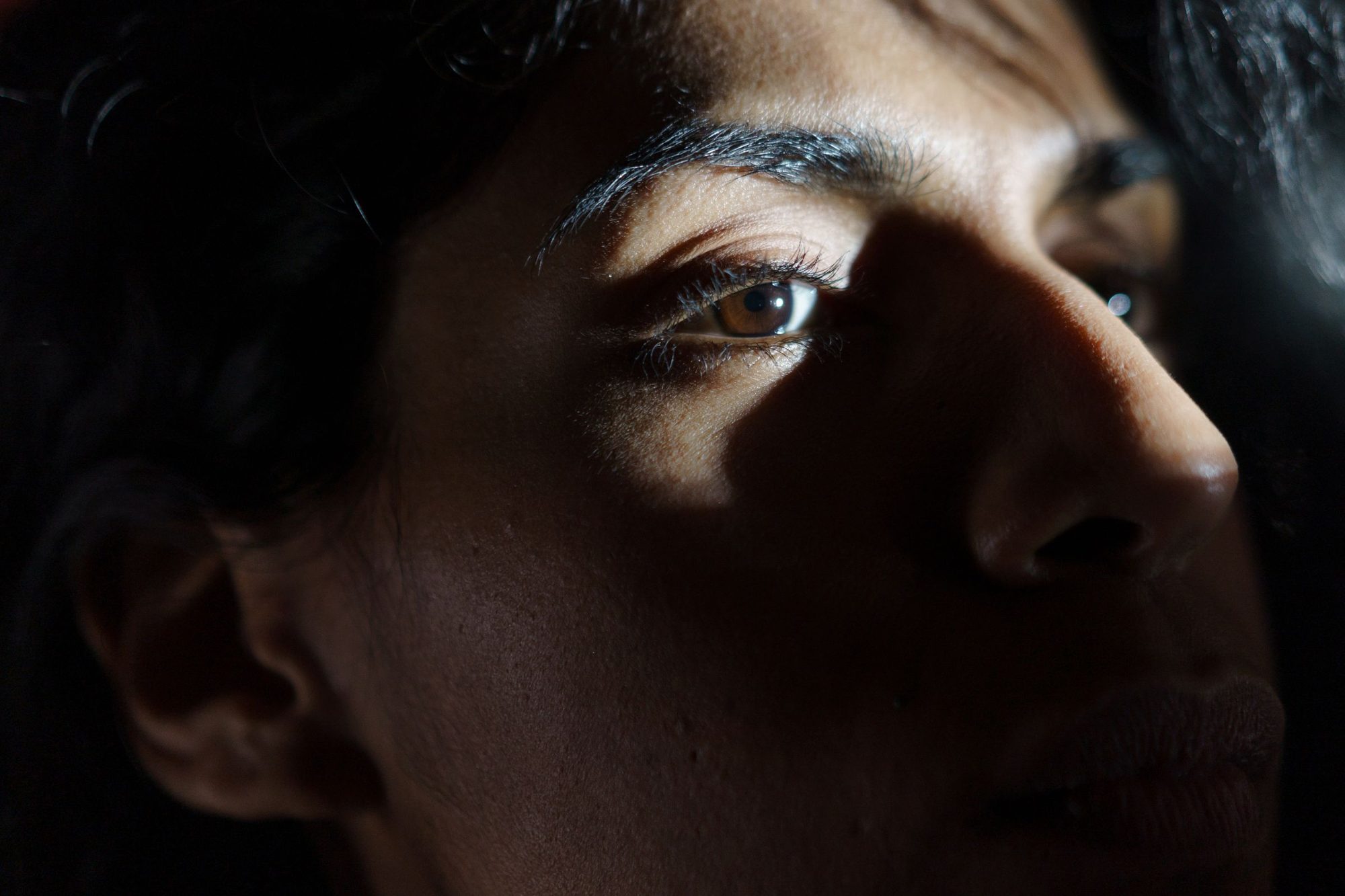
Your eyes frame how you look to others and how you see the world. When upper lids feel heavy or hooded, or when under-eye bags and puffiness linger no matter how much you sleep, it is natural to wonder whether an eyelid lift could help. If you are researching blepharoplasty in Newport Beach, this guide walks through the three surgical options we offer, how the procedure works, who tends to be a good candidate, what recovery looks like, and the risks you should weigh before booking a consultation.
At Beyond Restore, our surgeons, Dr. Jarminski and Dr. Sabo, perform upper blepharoplasty, lower blepharoplasty, and quad blepharoplasty. The goal is not a different face. It is a rested, alert version of you, with discreet incisions and a plan built around your anatomy.
What Is Blepharoplasty?
Blepharoplasty is eyelid lift surgery that removes excess skin, fat, and sometimes muscle from the eyelid area to improve appearance and, in some cases, function. It is a precise, customizable facial procedure. Our surgeons approach the delicate eye area with the aim of enhancing your natural features without overcorrecting or changing your expression.
Depending on your needs, blepharoplasty can address:
- The upper eyelids (upper blepharoplasty)
- The lower eyelids (lower blepharoplasty)
- All four eyelids in the same procedure (quad blepharoplasty)
Upper Blepharoplasty
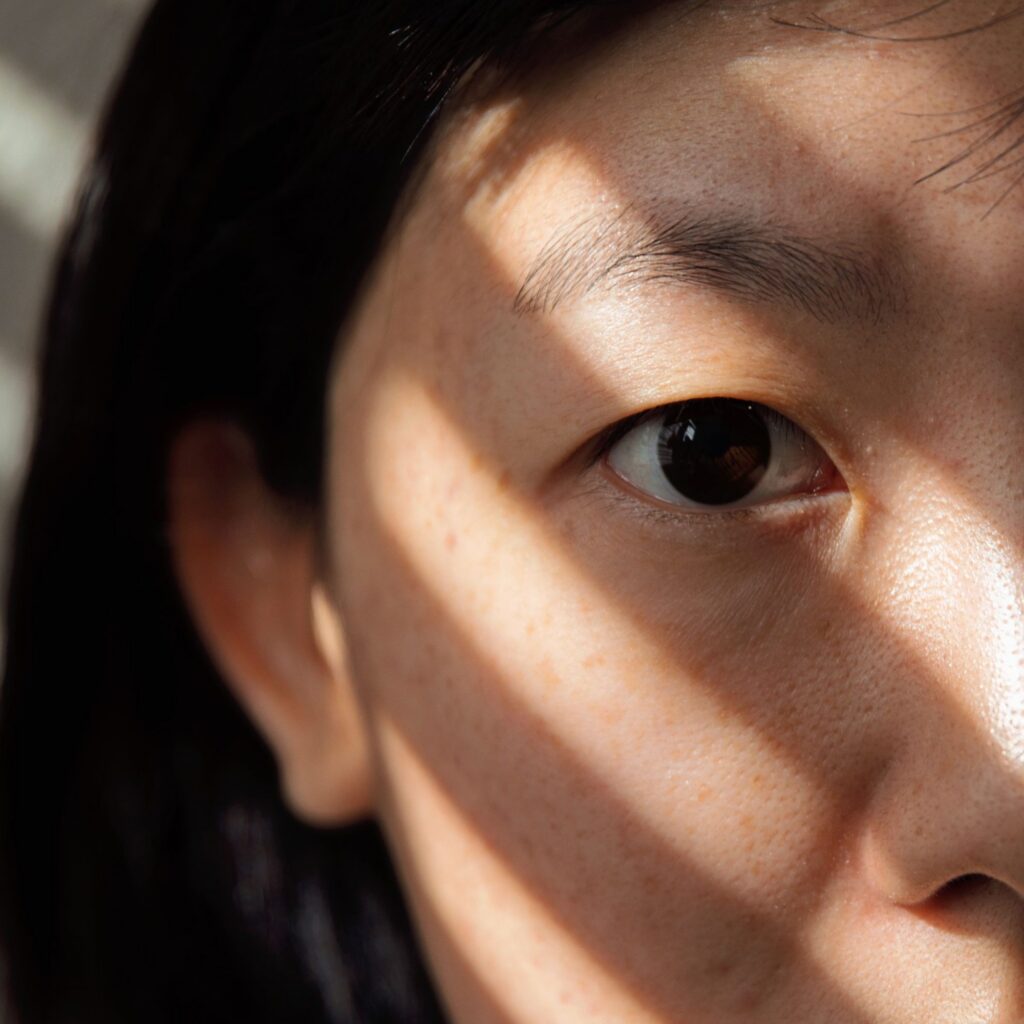
Over time, the skin and muscles of the upper eyelids can lose firmness, leading to sagging, drooping, or a hooded look. For some people, that creates a heavy, tired appearance. For others, excess skin can crowd the lashes and even limit the field of vision.
Upper blepharoplasty removes excess skin and, when needed, some fat, and may tighten the muscle to lift the lid and open the eyes. The incision is placed in the natural crease of the upper eyelid, where it is easier to conceal as it heals.
If heavy upper lids are blocking your vision, ask us whether insurance may be relevant in your situation.
Lower Blepharoplasty
Lower blepharoplasty focuses on the area beneath the eyes, where weakened tissue and shifting fat pads can cause bulging, puffiness, or persistent under-eye bags. Depending on your anatomy, the surgeon may remove some of the fat or reposition it to smooth the transition between the lower lid and the cheek, and may tighten or trim loose skin to help soften crepey texture.
Two common incision approaches are used:
- A transconjunctival incision is made on the inside of the lower eyelid, so there is no incision on the skin. It is often used when the main concern is fat rather than excess skin.
- A subciliary incision is made just below the lash line and also allows excess skin to be removed.
Your surgeon will recommend the approach that fits your anatomy and goals.
Quad Blepharoplasty
Quad blepharoplasty treats all four eyelids—upper and lower—in a single procedure. It may be a good fit if you have both heavy or hooded upper lids and under-eye bags or puffiness. Combining upper and lower blepharoplasty means one surgery and one recovery period instead of two, and it allows the upper and lower lids to be planned together for a balanced, natural-looking result. The same incision options described above are used for the upper and lower lids.
Upper, Lower, or Quad: Which Option Fits You?
- Upper if excess or hooded upper lid skin, a heavy look, or vision crowding is the main issue
- Lower if under-eye bags, puffiness, bulging fat, or loose lower lid skin is the main issue and the upper lids are fine
- Quad if both upper and lower lids need attention and you prefer one procedure and one recovery
A low brow, a drooping eyelid margin (ptosis), or hollowness without excess fat may need a different or additional treatment. At your free consultation, we examine your eyelids, brows, and under-eye area and recommend what fits your anatomy and goals.
What Can Blepharoplasty Treat?
Blepharoplasty can address:
- Sagging, droopy, or hooded upper eyelids (upper or quad)
- Excess upper eyelid skin that affects vision (upper or quad)
- Under-eye puffiness or bulging fat pads (lower or quad)
- Loose, crepey eyelid skin
- Hollowing beneath the eyes, which in some cases can be improved by repositioning fat during lower blepharoplasty
How Blepharoplasty Works and What Patients Appreciate
Your eyelid area has thin skin, delicate fat pads, and intricate muscles. Gravity, aging, and genetics can cause this area to sag or appear puffy. During blepharoplasty, Dr. Jarminski or Dr. Sabo makes small, precise incisions to remove or reposition fat, trim excess skin, and in some cases tighten the underlying muscle:
- Upper: an incision in the natural crease of the upper eyelid
- Lower: an incision inside the lower eyelid (transconjunctival) or just below the lash line (subciliary)
- Quad: both the upper and lower incisions in the same procedure
The goal is not to create a new you. It is to bring back the rested, alert version of you that feels hidden beneath.
What patients often appreciate:
- Natural, not “done.” The aim is a rested look that still looks like you.
- Vision help when lids obstruct. Upper or quad surgery removes excess upper lid skin that can crowd the field of vision.
- Smoother under-eyes. Lower or quad surgery repositions or removes bulging fat that sleep and skincare cannot change.
- Long-lasting improvement. Results are designed to last, while the eyes continue to age naturally.
- A refreshed expression. Heavy lids can read as tired or sad; lifting them can help you look as energized as you feel.
- Discreet incisions. Crease, subciliary, or inside-the-lid placements are chosen so scars typically blend with natural contours.
Is Blepharoplasty Right for You?
You may be a good candidate if:
- You have droopy or hooded upper lids, persistent under-eye bags, or both
- Your vision is partially obstructed by excess upper eyelid skin
- You want long-term improvement, not a temporary fix
- You are in good general health, do not smoke or are willing to stop, and have realistic expectations
This surgery is not ideal for patients with certain eye conditions, such as severe dry eye, or uncontrolled medical issues. Stopping smoking before and after surgery is preferred when applicable. That is why every blepharoplasty journey at Beyond Restore begins with a personalized consultation and a plan tailored to your needs and your face.
If your concerns are mild, non-surgical options such as injectables, skin tightening, or laser treatments can offer subtle improvements—but they do not remove excess eyelid skin or bulging fat the way surgery does. Depending on what you are noticing elsewhere on your face, dermal fillers or a deep plane facelift may also be part of a broader conversation. We will help you explore the options that fit your anatomy.
Your Consultation
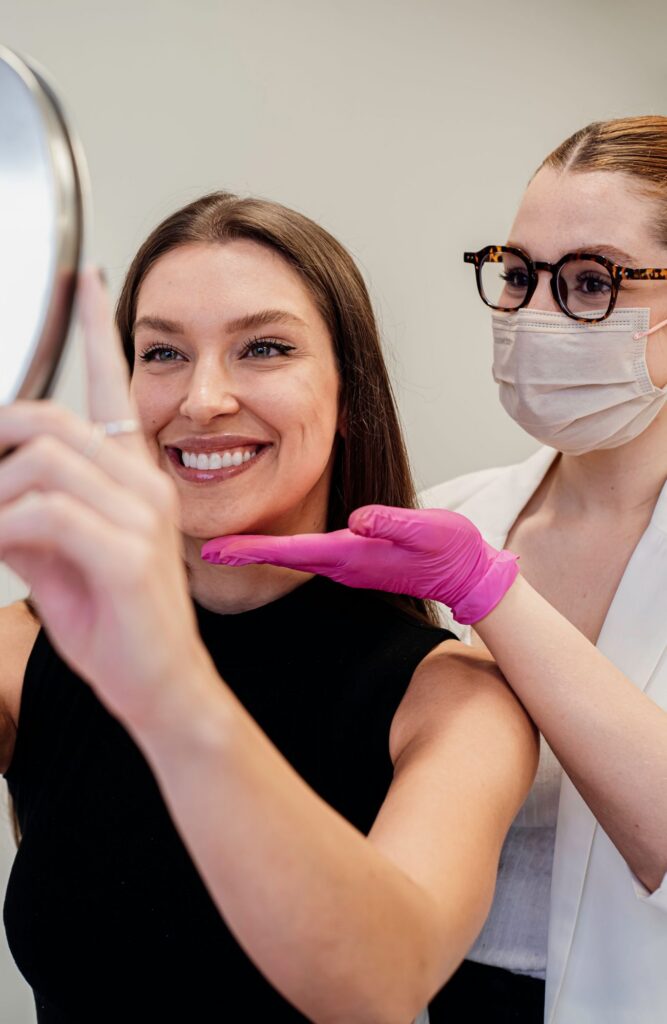
It all starts with a detailed free consultation. We evaluate your eyelids, brows, and facial anatomy, discuss your goals, and walk you through upper blepharoplasty, lower blepharoplasty, or quad blepharoplasty. You also receive pre-operative instructions, which may include avoiding certain medications or supplements that increase bleeding risk. Let us know if you have dry eye or another eye condition, wear contact lenses, or have had prior eye surgery.
What Happens on the Day of Surgery?
Upper, lower, and quad blepharoplasty can all be performed under local anesthesia, so you are awake but comfortable throughout. The procedure generally takes about 2 hours.
- Upper blepharoplasty: Typically performed in-office with local anesthesia. Incisions are made in the natural crease of the upper eyelid, allowing access to remove excess skin and fat.
- Lower blepharoplasty: Usually performed as an outpatient procedure. Incisions may be made just below the lash line or inside the lower eyelid (transconjunctival), depending on your anatomy.
- Quad blepharoplasty: The upper and lower procedures are performed together in one session.
Blepharoplasty Recovery: What to Expect
Expect swelling, bruising, and tightness, which are usually most noticeable in the first few days. Cold compresses and ointment help ease the recovery. Many patients return to work and daily activities within 7 to 10 days, though recovery varies from person to person. With quad blepharoplasty, swelling and bruising affect both the upper and lower lids. We provide detailed aftercare instructions and schedule follow-ups to check your healing.
Plan to avoid eye makeup and contact lenses until your surgeon clears you, which is usually after your incisions have healed. Avoid strenuous physical activity during early recovery as well. This gives your eyelids time to heal properly and reduces the risk of irritation or infection.
What Are the Risks of Blepharoplasty?
As with any surgery, blepharoplasty has risks, including bruising and swelling, dry eye or irritation, asymmetry, scarring, difficulty fully closing the eyes, changes in eyelid position (such as ectropion, where the lower lid pulls down or turns outward), infection, bleeding, rare vision problems, and anesthesia risks. We review your individual risks during your consultation.
Please do not choose any surgery without that conversation.
Results Timeline
- 1 to 2 weeks: You will notice a visible difference as swelling and bruising subside.
- 6 weeks to 3 months: Results begin to settle around week six, with continued refinement over the next few months as tissues heal and adjust.
- Longevity: Results are long-lasting, but your eyes will continue to age naturally. Genetics, lifestyle, sun protection, and skincare habits all play a role. Individual results vary.
You can also browse examples of our work in our before-and-after gallery.
Can Blepharoplasty Be Combined With Other Treatments?
Yes. Blepharoplasty can be paired with facelift surgery or with non-surgical treatments such as skin tightening and laser resurfacing to address skin tone, texture, and facial balance. Upper and lower blepharoplasty can also be combined as a quad blepharoplasty. Dr. Jarminski or Dr. Sabo will discuss whether combining procedures is right for you during your consultation.
Frequently Asked Questions
What is the difference between upper, lower, and quad blepharoplasty?
Upper addresses hooded or excess upper lid skin (and sometimes fat) through a crease incision. Lower addresses bags, puffiness, and loose lower lid skin through a transconjunctival or subciliary incision, with fat removed or repositioned as needed. Quad combines both in one surgery.
Will I have visible scars after blepharoplasty?
All surgery leaves a scar. Eyelid incisions typically fade and blend with natural folds. A transconjunctival approach places the lower incision inside the lid, so it is not on the skin.
How long do blepharoplasty results last?
Blepharoplasty is designed to provide long-lasting results, but it does not stop the aging process. Your eyelids will continue to change over time with genetics, sun exposure, and lifestyle. Sun protection, good skincare, and healthy habits can help you maintain your results.
How painful is recovery after blepharoplasty?
Most patients describe discomfort as mild to moderate, often as tightness or tenderness. Cold compresses and prescribed or over-the-counter medication help keep you comfortable, and the first few days are usually the most uncomfortable.
When can I wear makeup or contact lenses after blepharoplasty?
Plan to avoid eye makeup and contact lenses until your surgeon clears you, which is usually after your incisions have healed. We give you specific timing at your follow-up visits.
Is there a non-surgical alternative to blepharoplasty?
Injectables, skin tightening, and laser treatments can offer subtle improvements for mild concerns, but they do not remove excess eyelid skin or bulging fat the way surgery does. We help you explore all your options during your consultation.
Can I combine blepharoplasty with a facelift or other treatments?
Yes. Blepharoplasty can be paired with facelift surgery or with non-surgical treatments such as skin tightening and laser resurfacing. Upper and lower blepharoplasty can also be combined as a quad blepharoplasty. Your surgeon will discuss whether combining procedures is right for you.
What are the risks of blepharoplasty?
Risks include bruising and swelling, dry eye or irritation, asymmetry, scarring, difficulty fully closing the eyes, changes in lower eyelid position (such as ectropion), infection, bleeding, rare vision problems, and risks related to anesthesia. Dr. Jarminski or Dr. Sabo will review your individual risks and how to reduce them during your consultation.
Does insurance ever cover eyelid surgery?
If heavy upper lids are blocking your vision, ask us whether insurance may be relevant in your situation. Coverage depends on your case and your plan; we can help you understand what to ask.
How long does the procedure take, and what anesthesia is used?
Upper, lower, and quad blepharoplasty can all be performed under local anesthesia, so you are awake but comfortable. The procedure generally takes about 2 hours.
Book Your Blepharoplasty Consultation in Newport Beach
The easiest way to start is a conversation. We will look at your eyelids and brows, talk through your goals, explain upper, lower, and quad options, and build a plan that fits your life—with no pressure to decide on the spot.
If surgery fits your plans, we offer financing through PatientFi, CareCredit, and Cherry to help fit care into your budget.
Beyond Restore Wellness & Aesthetics
1501 Westcliff Dr #303, Newport Beach, CA 92660
- Call: 949-503-9621
- Text: 949-356-7333 (text only)
- Hours: Mon–Thu 9 AM–5 PM · Fri 9 AM–4 PM
This article is for general educational purposes only and is not medical advice. Individual results vary, and every surgical procedure carries risks. A consultation with a qualified surgeon is required to determine whether blepharoplasty is right for you.